Midterm ‘Wave’ Election Makes a Splash at Public Affairs Conference
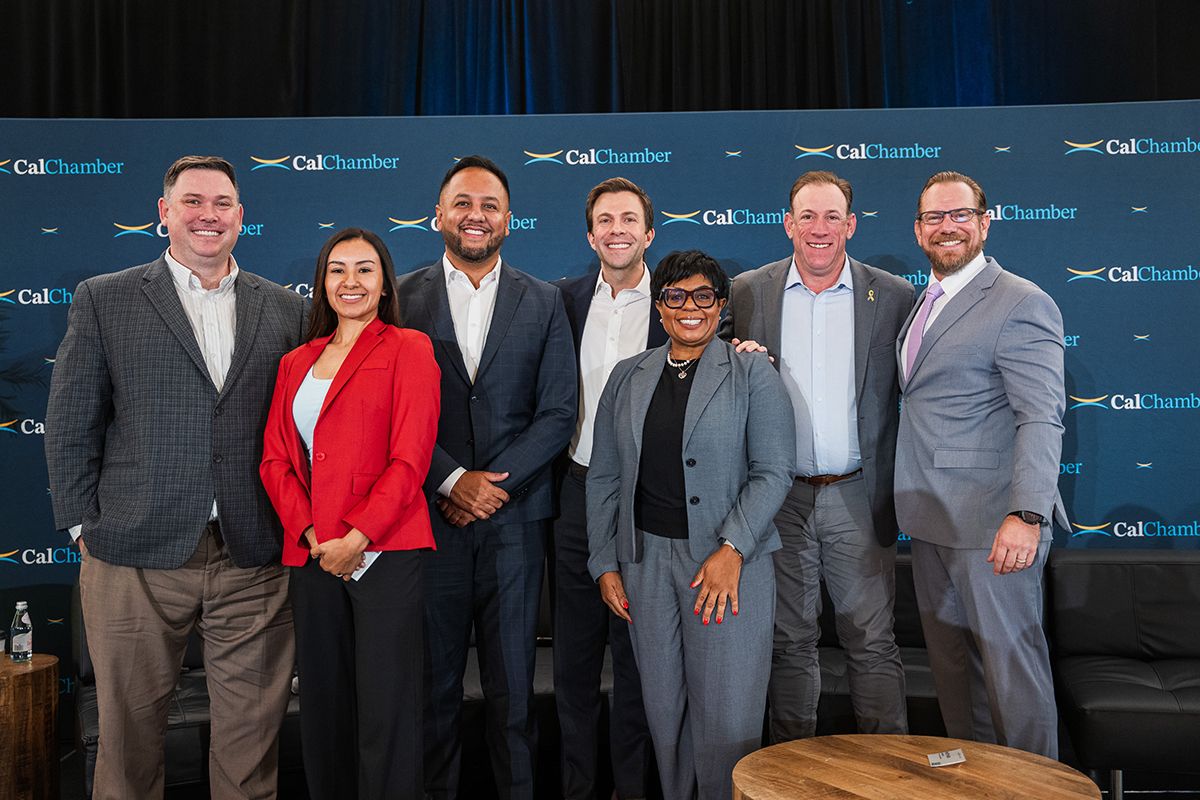
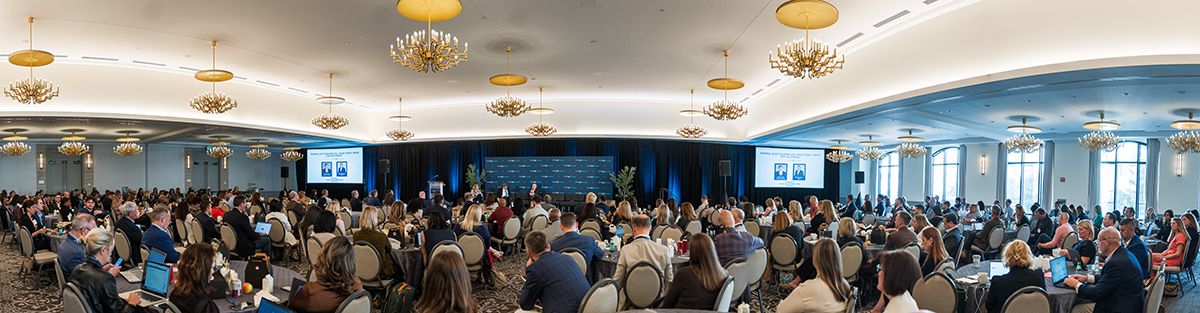
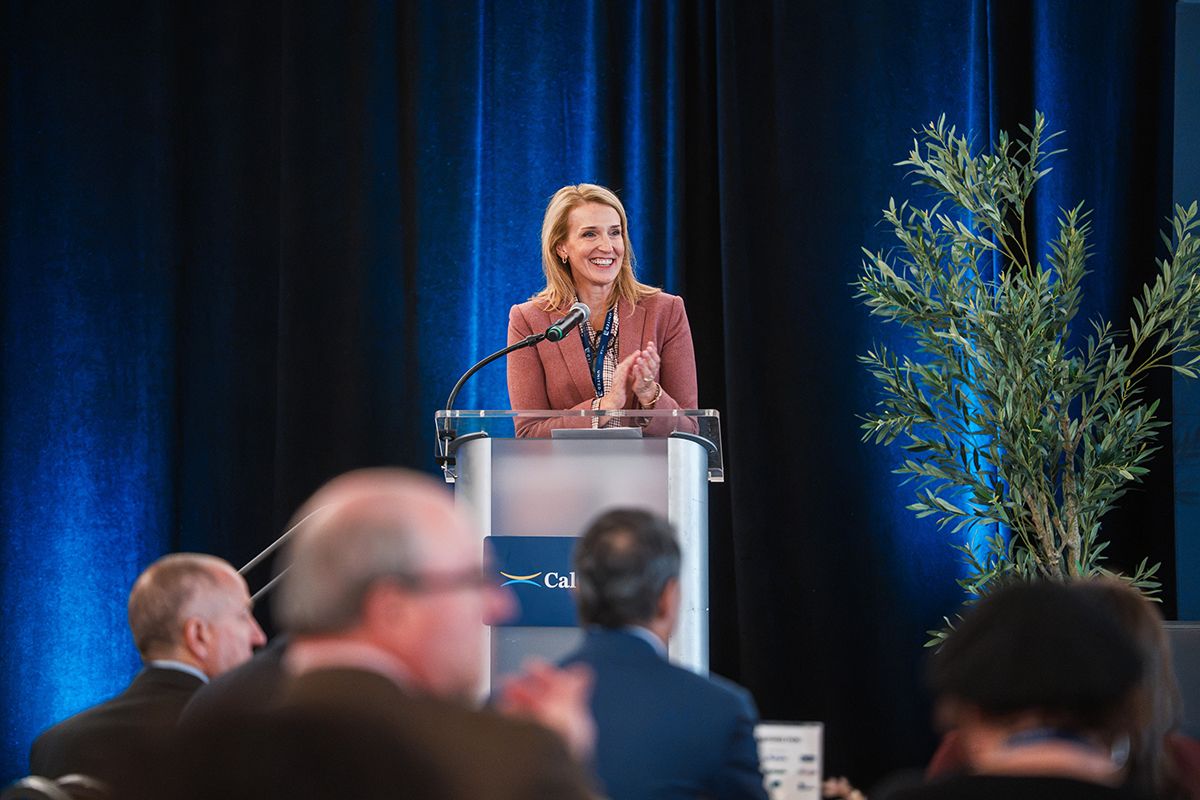
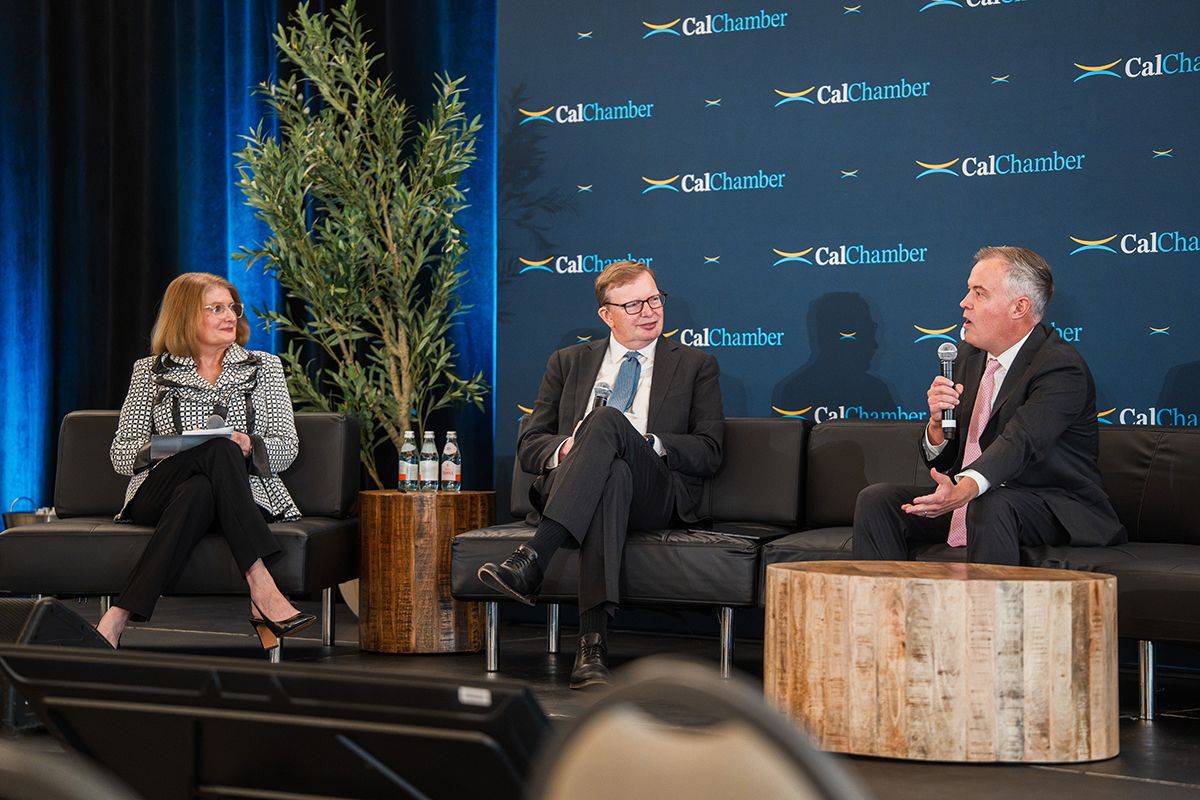
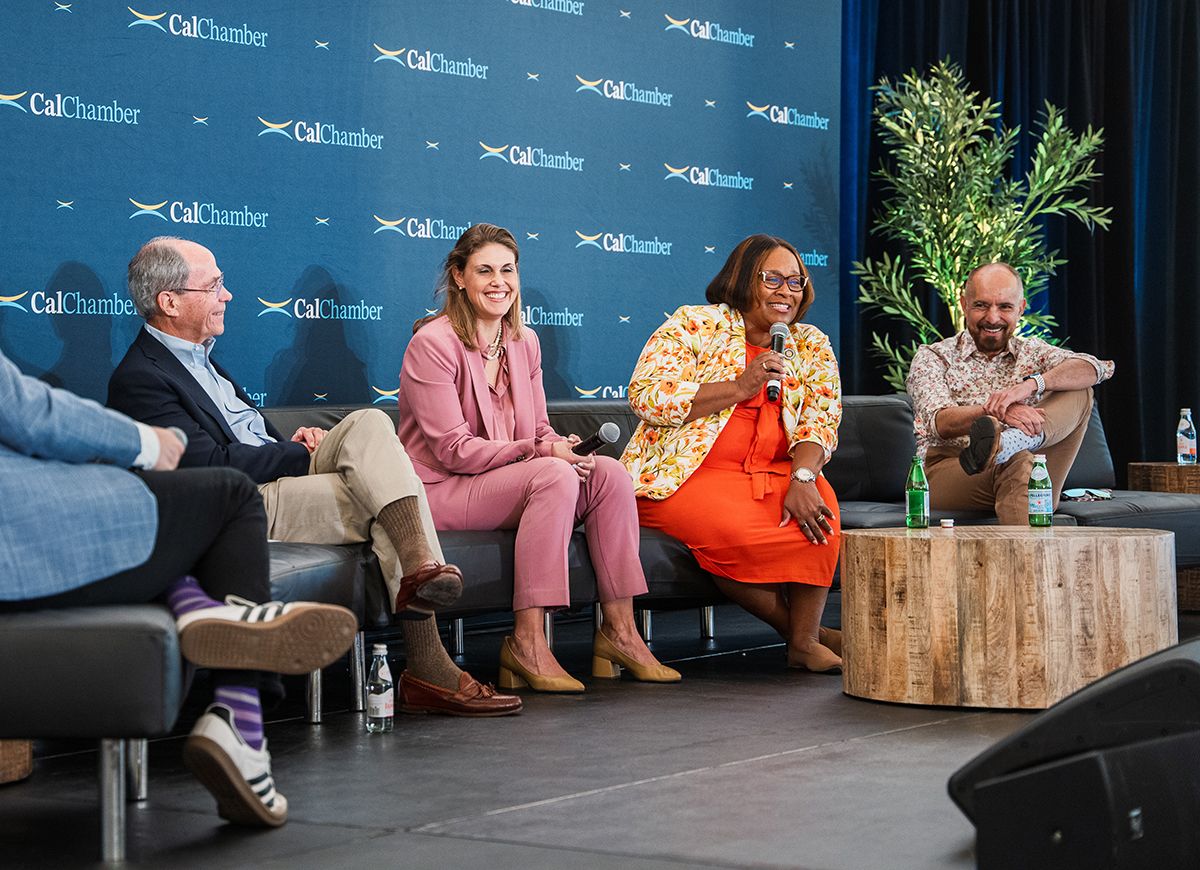
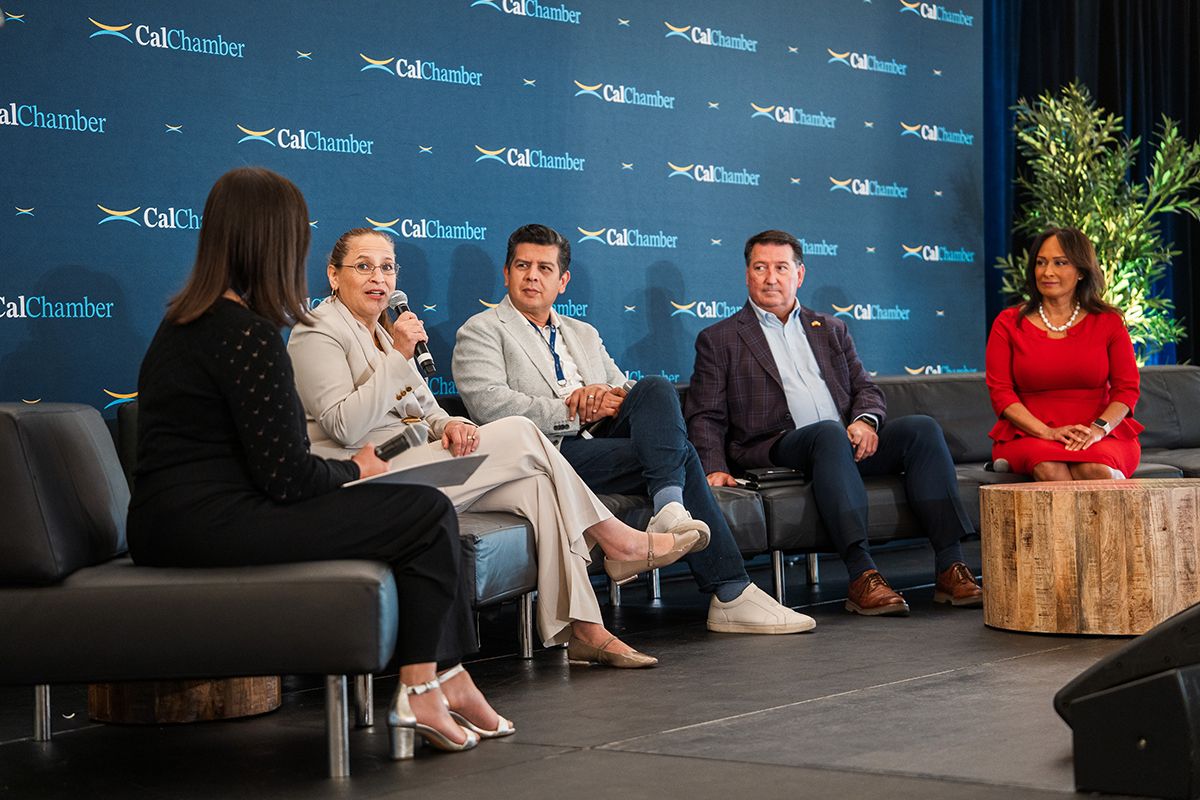
Political strategists, campaign experts, and newly elected state legislators addressed the sweeping changes brought by the Nov. 2 election during the CalChamber Public Affairs conference last week in San Diego.
Speakers told the capacity crowd at the two-day event that the message of the election cycle, swept at both the national and state levels by Democrats, was hard to miss.
“Californians are sick and tired of the status quo,” Assemblymember-elect Annalisa Perea (D-Fresno) said during a panel featuring incoming members of the state Legislature.
The annual conference, one of CalChamber’s most popular events, featured a series of panels that examined both the results from the 2026 election and the road ahead for governing in Sacramento. Speakers noted that it’s now been two decades since California voters elected a Republican to a statewide constitutional office. GOP candidates — including a surprising number of incumbents — also lost their races, even in districts where President Trump won handily just two years ago.
Jim Messina, a top strategist in the 2012 reelection of President Barack Obama, told the crowd that California will now find itself in good company in Washington with congressional delegations from historically “red” states that have now shifted sharply into the Democratic column. Messina appeared along side Matt Rhoades, a Republican strategist, who said GOP leaders need to sort out their economic agenda before the 2028 presidential race.
Both strategists said that Democrats in Congress will likely only have until the summer recess next August to make good on their campaign promises to improve the nation’s economy.
Voters also will have to decide how they feel about the process for tackling these issues. Adam Rosenblatt, the pollster who oversaw the CalChamber People’s Voice survey for 2026, noted that 27% of likely California voters — one in four who were surveyed — said it’s OK that political disagreements have become “more blunt and often less civil,” with a similar number preferring lawmakers who stand by their “ideologies and principles no matter what.”
California voters weighed in on 14 statewide ballot measures and a panel of consultants told the conference attendees that, as was to be expected, the campaigns that had the money to clearly and consistently spread their message emerged victorious.
Participants across a variety of panels agreed that affordability issues will continue to dominate the political landscape, also highlighting upcoming debates over taxes and health care costs. Housing, education, and regional cooperation were also topics of interest.
Conference attendees noted that the annual event not only provides a valuable look at the year ahead but provides opportunities for networking among attendees from a variety of business and government backgrounds.